Muslim Integration in the UK
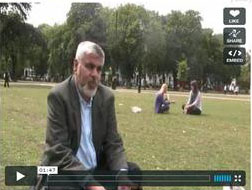
Muslims in the UK: Integration or Co-existance
08/06/2009
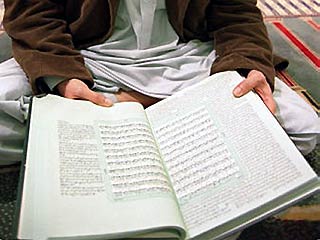
15/06/09
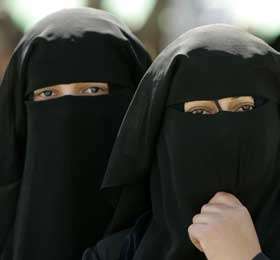
22/06/09
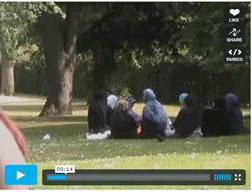
Video: Misunderstanding of Islam
30/06/09
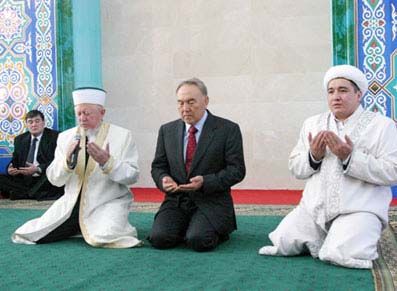
Muslims and politics: more engagement is essential
28/06/09
30/06/09
Muslims and politics: more engagement is essential
Both the Muslim community and the British government expressed that a development of moderate Muslim political voices will give them a greater role and can help with successful integration.
Muhamed Amin said regarding Muslim representatives in the current government: “We have four Muslims in the House of Commons, all are members of the labour party. There are ten or 12 Muslims in the House of Lords.”
He believes that it is very important for Muslims to get involved in politics for two reasons. First of all, Muslims have an obligation to do the very best for the country they live in and that involves the sharing of thoughts, and sharing the message of Islam with everyone. And secondly, it helps to advance the interest of the Muslim community and to make sure that legislation properly takes in account Muslim needs.
“So, for example, people who are planning school menus will also think about halal meals and this provides one of the practical reasons why Muslims shall get involved in politics. At a local level we have lots of Muslim councillors. Moreover, four years ago Manchester had a Muslim mayor. This is a natural part of Muslims becoming fully integrated in British society,” he said.
Ajmal Masroor, Spokesperson for the Islamic Society of Britain says, “At the moment the British Legal system does not recognise the discrimination based on religion. So you can discriminate me because I am Muslim and you can get away with that, but if you discriminate me because of my race you won’t get away with it.”
Different Islamic religious groups have very different understandings of the idea of the Muslims in politics.
Islamic Party Hizb-ut-Tahrir are in the promoting radical position in creating one Muslim state where people will be living according to Sharia Law.
Rubina Nasser, Bournemouth Borough Council advisor for equality and religious education and spokesperson for the Ahmadiya Muslim group says that political Islam brings danger. The Ahmadiya Muslim community is only interested in spirituality, faith and stays away from politics. “Islam doesn’t teach to dominate the world, it just some clerics teach wrong ideas and radicalise youth,” she said.
When talking about engagement both sides shall be involved. British government provide some initiatives to understand Muslims and help them with their concerns.
The government has been pursuing a variety of strategies to reduce the sense of alienation amongst Muslims and other immigrants. In order to get citizenship applicants have to prove their sufficient knowledge of English life and complete mandatory new citizenship ceremonies, during which those acquiring British nationality swear allegiance to the Queen and pledge to respect the UK’s rights and freedoms.
At the same time current policy seeks to strengthen law enforcement and security measures to curb Islamist extremism and root out terrorists.
The government organises the groups which work with engaging young people and women, tackling extremism, regional and local initiatives, imams and the role of mosques, security, policing, and Islamophobia; as well as education.
The perception of British laxness in its anti-terrorism policies, however, is not universally shared. Zulfi Bukhari, Chief Executive Officer at Muslim Public Affairs Committee UK believes that government programmes on integration need to be improved.
[Zulfi Bukhari on Muslims and Politics]